VA Disability Ratings for Sleep Apnea
Recent studies indicate that 34% to 47% of military veterans are at high risk for obstructive sleep apnea, compared to only 12% within the general U.S. population. The prevalence is notably higher among veterans with combat experience or PTSD.
Sleep apnea poses significant health risks, elevating the likelihood of severe medical conditions and decreasing life expectancy. Prolonged interruptions in sleep and oxygen deprivation critically impair vital organs over time, resulting in an increased incidence of arrhythmias, hypertension, diabetes, heart attacks, and strokes.
Recognizing these dangers, the Department of Veterans Affairs (VA) classifies sleep apnea as a disability eligible for benefits. Veterans may secure sleep apnea VA ratings as high as 100%, even qualifying for Total Disability Individual Unemployability (TDIU).
However, securing a sleep apnea VA rating remains challenging. The VA continues to deny sleep apnea claims, even when they are legitimate.
The main reasons VA denies sleep apnea claims are for (1) failure to obtain a qualifying sleep apnea diagnosis and (2) inability to prove that the sleep apnea is service connected.
Winning a sleep apnea VA rating requires a VA-approved diagnosis of sleep apnea (including a sleep text) and including precise terminology to support service connection. Most often, the VA is looking for documentation showing the presence of sleep apnea symptoms or treatment during military service.
Of course, most veterans do not report symptoms of sleep apnea nor receive related treatment during their service. Consequently, most successful claims for sleep apnea are achieved through secondary service connection.
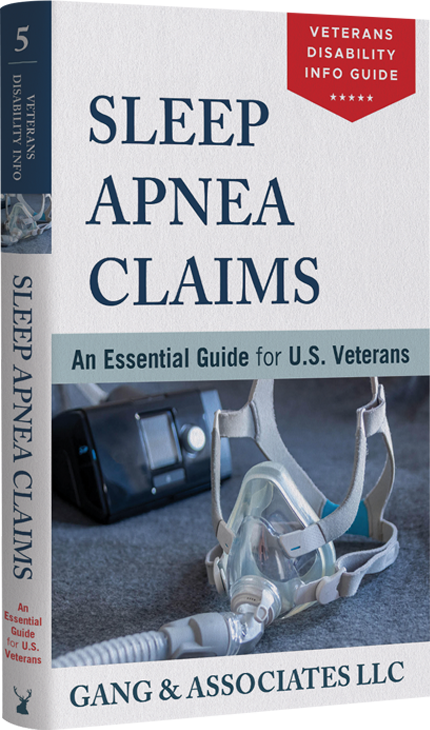
Our free eBook, VA Disability Ratings for Sleep Apnea: An Essential Guide for U.S. Veterans, offers detailed instruction on preparing sleep apnea disability claims and appeals processes for veterans with denied sleep apnea VA ratings. It provides indispensable support towards securing rightful sleep apnea VA benefits.